Information privacy
From the Knowledge Hub, the cited wiki
Information privacy, also known as data privacy or data protection, is the relationship between the collection and dissemination of data, technology, the public expectation of privacy, contextual information norms, and the legal and political issues surrounding them.
Information privacy, also known as data privacy or data protection, is the relationship between the collection and dissemination of data, technology, the public expectation of privacy, contextual information norms, and the legal and political issues surrounding them. Various types of personal information often come under privacy concerns. Privacy concerns exist wherever personally identifiable information or other sensitive information is collected, stored, used, and finally destroyed or deleted – in digital form or otherwise.[1]
History
In 1890, legal scholars Samuel D. Warren II and Louis Brandeis published "The Right to Privacy", an article explaining "the right to be let alone," which helped establish a right to privacy in the United States. Their guidelines set the foundation for how privacy can be understood in terms of personal data, and influenced the development of the privacy laws of the United States.[1]
Types of information privacy
Data privacy issues may arise in response to information from a wide range of sources, such as:[1]
Financial
Information about a person's financial transactions, including the amount of assets, positions held in stocks or funds, outstanding debts, and purchases can be sensitive. If criminals gain access to information such as a person's accounts or credit card numbers, that person could become the victim of fraud or identity theft. Information about a person's purchases can reveal a great deal about that person's history, such as places they have visited, whom they have contact with, products they have used, their activities and habits, or medications they have used.[1]
Internet
The ability to control the information one reveals about oneself over the internet and who can access that information has become a growing concern. These concerns include whether email can be stored or read by third parties without consent or whether third parties can continue to track the websites that someone visited. Another concern is whether websites one visits can collect, store, and possibly share personally identifiable information about users.[1]
Educational
In the United Kingdom in 2012, the Education Secretary Michael Gove described the National Pupil Database as a "rich dataset" whose value could be "maximised" by making it more openly accessible, including to private companies. Kelly Fiveash of The Register said that this could mean "a child's school life including exam results, attendance, teacher assessments and even characteristics" could be available, with third-party organizations being responsible for anonymizing any publications themselves, rather than the data being anonymized by the government before being handed over.[1]
Cable television
This describes the ability to control what information one reveals about oneself over cable television, and who can access that information. For example, third parties can track IP TV programs someone has watched at any given time.[1]
Academic research
Within academia, Institutional Review Boards function to assure that adequate measures are taken to ensure both the privacy and confidentiality of human subjects in research.[1]
Data breaches and privacy risks
When an individual or group of people steal consumer's data it is considered a breach of data. It is a common threat to one's information privacy. This includes information such as names, date of birth, credit card information, and social security numbers.[1]
Artificial intelligence and privacy
Artificial intelligence can be seen as a hindrance to protecting information privacy as they collect data widely. According to the International Association of Privacy Professionals, about 68% of consumers globally express concern about their privacy online with 57% agreeing that AI can be a threat to their data. These concerns have intensified as generative AI tools, which learn from data scraped from the web, have become more widely adopted.[1]
See also
References
- ↑ a b c d e f g h i j “Information privacy”. Wikipedia. Text adapted from Wikipedia under CC BY-SA 4.0. Rewrite it in your own words where you can. Encyclopedia Retrieved 2026-11-13
Further reading
- “privacy.cs.cmu.edu”. privacy.cs.cmu.edu. Link found on the Wikipedia page. Open it, check it and fix this title before relying on it. Academic Retrieved 2026-11-13
- “www.epic.org / privacy/consumer/states.html”. epic.org. Link found on the Wikipedia page. Open it, check it and fix this title before relying on it. Organization Retrieved 2026-11-13
- “ec.europa.eu / justice_home/fsj/privacy”. ec.europa.eu. Link found on the Wikipedia page. Open it, check it and fix this title before relying on it. Web page Retrieved 2026-11-13
- “unescoprivacychair.urv.cat”. unescoprivacychair.urv.cat. Link found on the Wikipedia page. Open it, check it and fix this title before relying on it. Web page Retrieved 2026-11-13
- “ec.europa.eu / justice_home/fsj/privacy/law/index_en.htm”. ec.europa.eu. Link found on the Wikipedia page. Open it, check it and fix this title before relying on it. Web page Retrieved 2026-11-13
- “ec.europa.eu / justice_home/fsj/privacy/docs/adequacy/information_safe_harbour_en.pdf”. ec.europa.eu. Link found on the Wikipedia page. Open it, check it and fix this title before relying on it. Web page Retrieved 2026-11-13
Related articles

Explore related pages
- TikTok Tank BattleOther · GREEN VS RED Viewers join a team through comments. Likes add points, and gifts launch attacks against the opposing team.
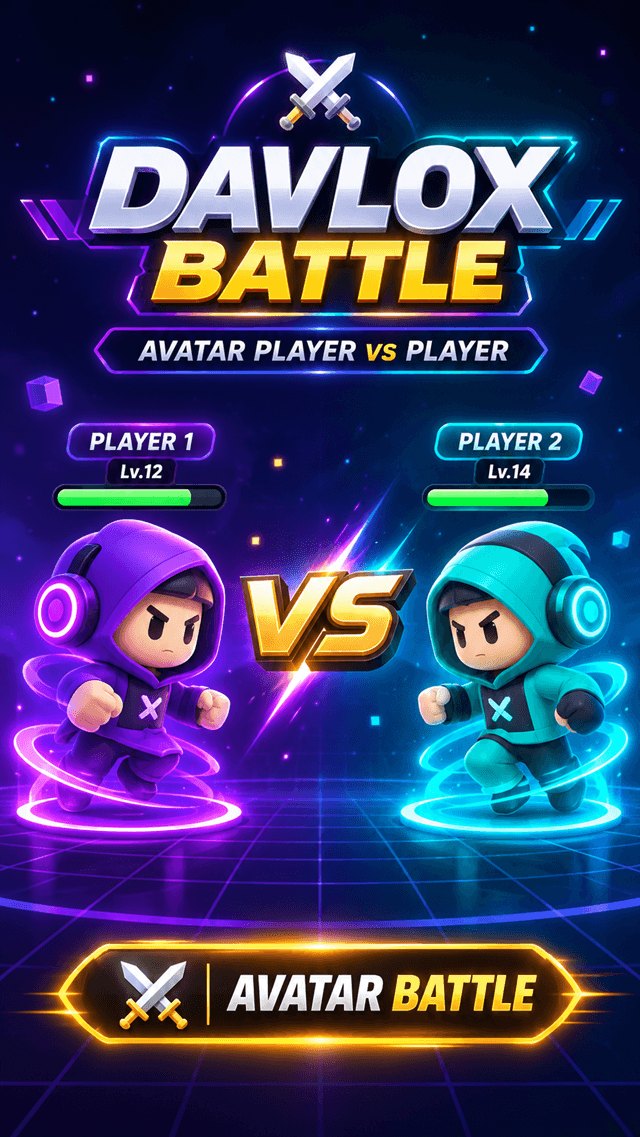
- TikTok DAVLOX BattleOther · VIEWER A vs VIEWER B Two viewers compete using selected characters. Their comments or supported gifts trigger moves and special attacks.

Make it happen
Follow Jii Saaduddin
Jii Saaduddin · Blogs & Guests, Wiki and more
Our Facebook page and TikTok cover the blog, the Wiki and everything else on the site. Follow to stay in the loop.