History of Content Creation
From the Knowledge Hub, the cited wiki
Content creation is the act of making and sharing media "content", particularly in digital contexts. A content creator is the person or studio behind such content.
Content creation is the act of making and sharing media "content", particularly in digital contexts. A content creator is the person or studio behind such content. According to Dictionary.com, content refers to "something that is to be expressed through some medium, as speech, writing or any of various arts" for self-expression, distribution, marketing and/or publication.[1]
Content creators
Content creation is the process of producing and sharing various forms of content such as text, images, audio, and video, designed to engage and inform a specific audience. It plays a crucial role in digital marketing, branding, and online communication and brand awareness. Content can be created for a range of platforms, including social media, websites, blogs, and multimedia channels.[1]
News organizations
Pre-Established News organizations, especially those with a large and global reach like The New York Times, NPR, and CNN, consistently create some of the most shared content on the Web, especially in relation to current events. In the words of a 2011 report from the Oxford School for the Study of Journalism and the Reuters Institute for the Study of Journalism, "Mainstream media is the lifeblood of topical social media conversations in the UK." While the rise of digital media has disrupted traditional news outlets, many have adapted and have begun to produce content that is designed to function on the web and be shared on social media.[1]
Colleges, universities, and think tanks
Academic institutions, such as colleges and universities, create content in the form of books, journal articles, white papers, and some forms of digital scholarship, such as blogs that are group edited by academics, class wikis, or video lectures that support a massive open online course (MOOC). Through an open data initiative, institutions may make raw data supporting their experiments or conclusions available on the Web. Academic content may be gathered and made accessible to other academics or the public through publications, databases, libraries, and digital libraries.[1]
Companies
Corporate content includes advertising and public relations content, as well as other types of content produced for profit, including white papers and sponsored research. Advertising can also include auto-generated content, with blocks of content generated by programs or bots for search engine optimization. Companies also create annual reports which are part of their company's workings and a detailed review of their financial year.[1]
Artists and writers
Cultural works, like music, movies, literature, and art, are also major forms of content. Examples include traditionally published books and e-books as well as self-published books, digital art, fanfiction, and fan art. Independent artists, including authors and musicians, have found commercial success by making their work available on the Internet.[1]
Government
Through digitization, sunshine laws, open records laws and data collection, governments may make statistical, legal or regulatory information available on the Internet. National libraries and state archives turn historical documents, public records, and unique relics into online databases and exhibits. This has raised significant privacy issues.[1]
Users
The introduction of Web 2.0 made it possible for content consumers to be more involved in the generation and sharing of content. With the advent of digital media, the amount of user generated content, as well as the age and class range of users, has increased. According to research 8% of Internet users are very active in content creation and consumption.[1]
Teens
Younger users now have greater access to content, content creating applications, and the ability to publish to different types of media, such as Facebook, Blogger, Instagram, DeviantArt, or Tumblr. As of 2005, around 21 million teens used the internet and 57%, or 12 million teens, consider themselves content creators. This proportion of media creation and sharing is higher than that of adults.[1]
Issues
The rise of anonymous and user-generated content presents both opportunities and challenges to Web users. Blogging, self-publishing and other forms of content creation give more people access to larger audiences. However, this can also perpetuate rumors and lead to misinformation.[1]
See also
References
- ↑ a b c d e f g h i j “Content creation”. Wikipedia. Text adapted from Wikipedia under CC BY-SA 4.0. Rewrite it in your own words where you can. Encyclopedia Retrieved 2026-11-13
Further reading
- “support.google.com / webmasters/answer/2721306”. support.google.com. Link found on the Wikipedia page. Open it, check it and fix this title before relying on it. Web page Retrieved 2026-11-13
- “www.nytimes.com / 2002/10/13/national/13DOCU.html”. nytimes.com. Link found on the Wikipedia page. Open it, check it and fix this title before relying on it. News Retrieved 2026-11-13
- “www.cnn.com / 2012/12/25/us/new-york-gun-permit-map”. cnn.com. Link found on the Wikipedia page. Open it, check it and fix this title before relying on it. News Retrieved 2026-11-13
- “www.theguardian.com / technology/2011/mar/17/us-spy-operation-social-networks”. theguardian.com. Link found on the Wikipedia page. Open it, check it and fix this title before relying on it. Web page Retrieved 2026-11-13
- “www.pewinternet.org / Reports/2007/A-Typology-of-Information-and-Communication-Technology-Users/Summary-of-Findings.aspx”. pewinternet.org. Link found on the Wikipedia page. Open it, check it and fix this title before relying on it. Organization Retrieved 2026-11-13
- “larixstudio.com / content-creation-foto-video-foto-360”. larixstudio.com. Link found on the Wikipedia page. Open it, check it and fix this title before relying on it. Web page Retrieved 2026-11-13
Related articles

Explore related pages
- TikTok Tank BattleOther · GREEN VS RED Viewers join a team through comments. Likes add points, and gifts launch attacks against the opposing team.
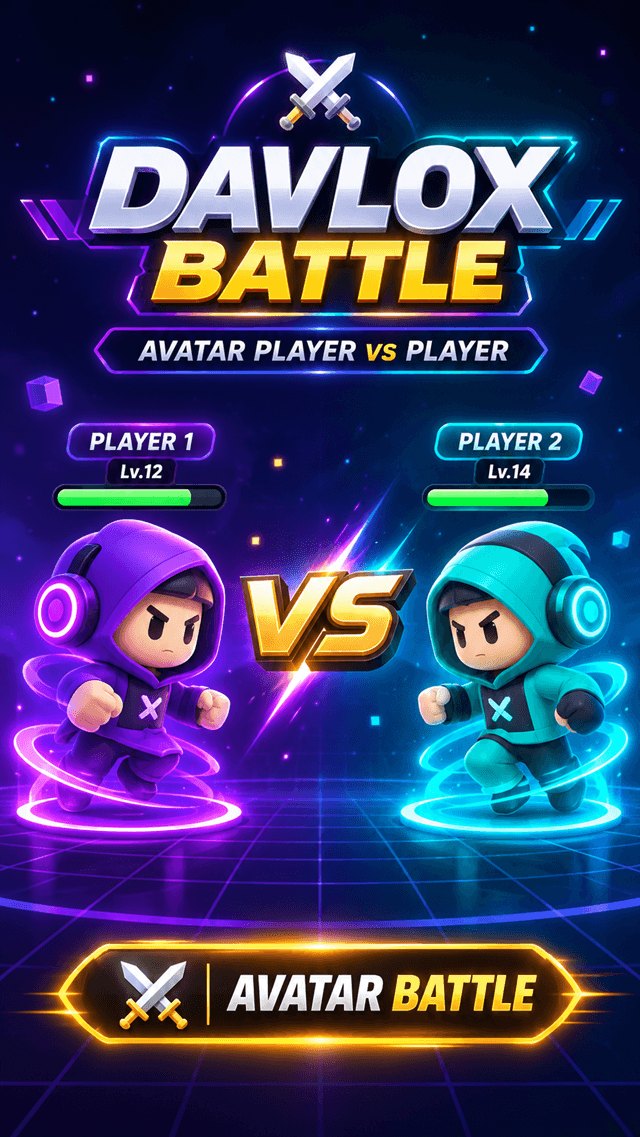
- TikTok DAVLOX BattleOther · VIEWER A vs VIEWER B Two viewers compete using selected characters. Their comments or supported gifts trigger moves and special attacks.

Make it happen
Follow Jii Saaduddin
Jii Saaduddin · Blogs & Guests, Wiki and more
Our Facebook page and TikTok cover the blog, the Wiki and everything else on the site. Follow to stay in the loop.