Goldilocks
From the Knowledge Hub, the cited wiki
"Goldilocks and the Three Bears" is a traditional classic 19th-century British fairy tale of which three versions exist. The original version of the tale tells of an impudent and bad old woman who enters the forest home of three anthropomorphic bachelor bears while they are away.
"Goldilocks and the Three Bears" is a traditional classic 19th-century British fairy tale of which three versions exist. The original version of the tale tells of an impudent and bad old woman who enters the forest home of three anthropomorphic bachelor bears while they are away. She eats some of their porridge, sits down on one of their chairs, breaks it, and sleeps in one of their beds.[1]
Southey's version
In Robert Southey's story, three male bears—a small bear, a medium bear, and a large bear—live together in a house in the woods. Southey describes them as good-natured, trusting, harmless, clean, and hospitable. Each bear has his own bowl of porridge, his own chair, and his own bed.[1]
Literary elements
The story makes extensive use of the literary rule of three, featuring three chairs, three bowls of porridge, three beds, and the three title characters who live in the house. There are also three sequences of the bears discovering in turn that someone has been eating from their porridge, sitting in their chairs, and finally, lying in their beds, at which point the climax of Goldilocks being discovered occurs. This follows three earlier sequences of Goldilocks trying the bowls of porridge, chairs, and beds successively, each time finding the third "just right".[1]
Interpretations
In The Annotated Classic Fairy Tales (2002), Harvard professor Maria Tatar notes that Southey's story is often viewed as a cautionary fable, conveying a lesson about the dangers of venturing into unknown territories. Similar to The Three Little Pigs, the story uses repetition to capture a child's attention and reinforce themes of protection and safety. Tatar highlights that while today's interpretations of the story often frame it as a quest for discovering what's "just right", earlier generations viewed it as a tale about an intruder who lacked self-control and respect for others' property.[1]
Film and television
Walt Disney directed an animated film adaptation of "Goldilocks" at his Laugh-O-Gram Studio in 1922[1]
Theater and comics
In November 1949, Walt Disney published the comic The Goldilocks Gambit, written by Carl Barks.[1]
Other
In the toy line Ever After High and its related media, Blondie Lockes is the daughter of Goldilocks.[1]
Images


References
- ↑ a b c d e f g “Goldilocks and the Three Bears”. Wikipedia. Text adapted from Wikipedia under CC BY-SA 4.0. Rewrite it in your own words where you can. Encyclopedia Retrieved 2026-11-10
Further reading
- “www.disneyshorts.org / shorts.aspx”. disneyshorts.org. Link found on the Wikipedia page. Open it, check it and fix this title before relying on it. Organization Retrieved 2026-11-10
- “www.bcdb.com / cartoon/3138-Goldilocks_And_The_Three_Bears.html”. bcdb.com. Link found on the Wikipedia page. Open it, check it and fix this title before relying on it. Web page Retrieved 2026-11-10
- “www.boosey.com / pages/opera/moreDetails.asp”. boosey.com. Link found on the Wikipedia page. Open it, check it and fix this title before relying on it. Web page Retrieved 2026-11-10
- “etc.usf.edu / lit2go/68/fairy-tales-and-other-traditional-stories/5105/the-three-bears”. etc.usf.edu. Link found on the Wikipedia page. Open it, check it and fix this title before relying on it. Academic Retrieved 2026-11-10
- “www.torontopubliclibrary.ca / detail.jsp”. torontopubliclibrary.ca. Link found on the Wikipedia page. Open it, check it and fix this title before relying on it. Web page Retrieved 2026-11-10
- “pubmed.ncbi.nlm.nih.gov / 21552010”. pubmed.ncbi.nlm.nih.gov. Link found on the Wikipedia page. Open it, check it and fix this title before relying on it. Government Retrieved 2026-11-10
- “Goldilocks listing”. Jii Saaduddin, 2026. Facts from this site's own brand record. Check them against the organization's own pages. Organization Retrieved 2026-11-10
Goldilocks on this site
Related articles


Explore related pages
- TikTok Tank BattleOther · GREEN VS RED Viewers join a team through comments. Likes add points, and gifts launch attacks against the opposing team.
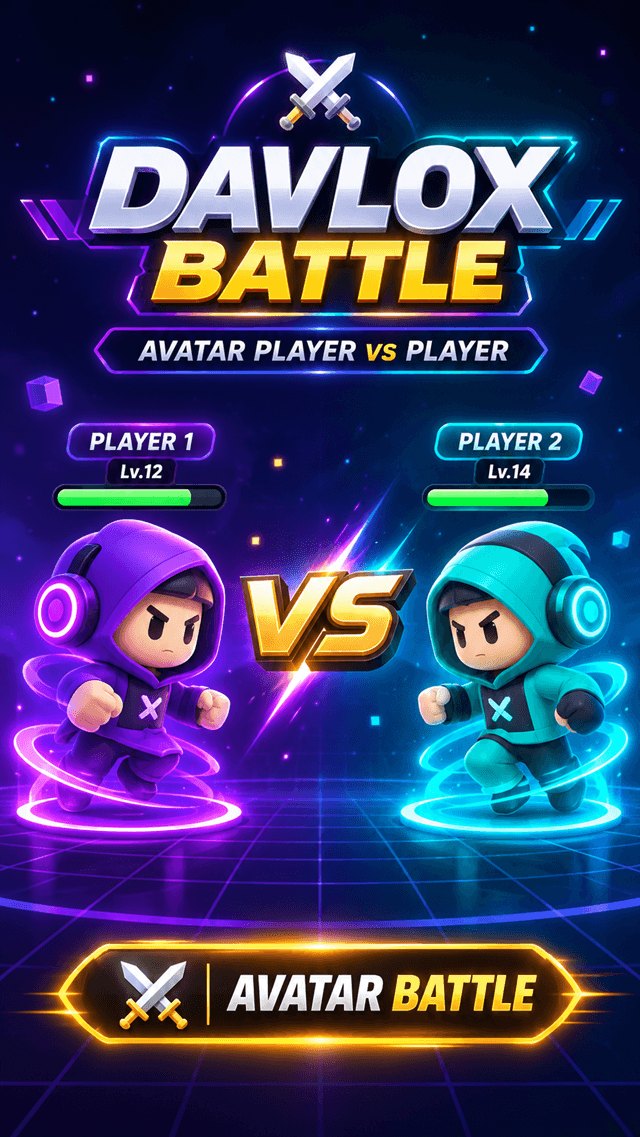
- TikTok DAVLOX BattleOther · VIEWER A vs VIEWER B Two viewers compete using selected characters. Their comments or supported gifts trigger moves and special attacks.

Make it happen
Follow Jii Saaduddin
Jii Saaduddin · Blogs & Guests, Wiki and more
Our Facebook page and TikTok cover the blog, the Wiki and everything else on the site. Follow to stay in the loop.