
How Global Conflicts Ripple into Local Gas Prices
A critical look at why you keep paying more
When people pull up to a gas station and see How Global Conflicts Ripple into Local Gas Prices again, the usual reaction is confusion—or frustration. After all, what does a war thousands of miles away have to do with the price of gasoline in your city?
The answer: everything.
The Illusion of “Local” Prices
Fuel prices may feel local, but they are anything but. Oil is a globally traded commodity, meaning its price is influenced by international supply, geopolitical tensions, and market speculation. Your local gas station is simply the last stop in a long chain of global events.
So when conflicts erupt in oil-producing regions, prices don’t just rise there—they ripple outward across the entire world.
Conflict Disrupts Supply—Or the Fear of It
Here’s the uncomfortable truth: prices don’t only rise because supply is disrupted. They often rise because of the fear that supply might be disrupted.
When conflict threatens major oil routes, pipelines, or production facilities:
- Traders anticipate shortages
- Markets react instantly
- Prices spike—even before actual supply drops
This means consumers are often paying more based on expectations, not reality.
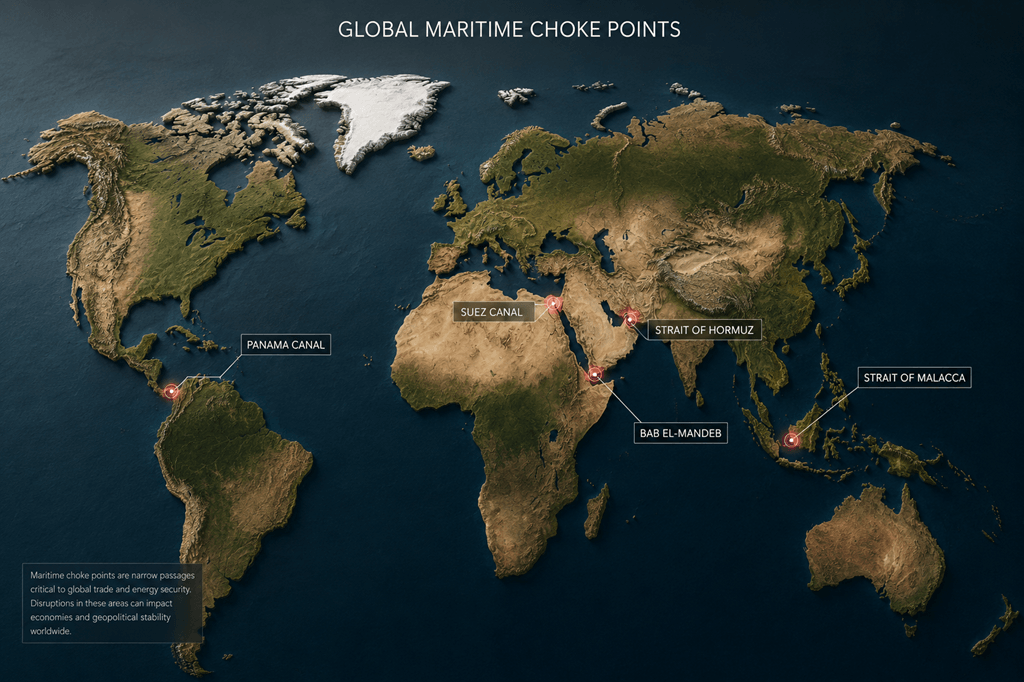
Strategic Regions Hold the World Hostage
Certain regions hold disproportionate power over global oil supply. When tensions rise in these areas, the entire market becomes unstable.
This creates a fragile system where:
- A single military escalation can shift prices overnight
- Political decisions in one country affect millions globally
- Energy security becomes tied to foreign conflicts
For developing economies, this is especially damaging. Countries that rely heavily on imported fuel absorb the shock almost immediately.
The Role of Speculation and Profit
Let’s not pretend this is purely about supply and demand.
Financial markets play a massive role in fuel pricing. Oil futures, hedge funds, and speculative trading amplify price movements far beyond the actual physical shortage.
In simple terms:
- Conflict creates uncertainty
- Uncertainty creates speculation
- Speculation inflates prices
Meanwhile, ordinary consumers shoulder the burden.
Currency Weakness Makes It Worse
In countries like the Philippines, the problem doesn’t stop at global oil prices. A weaker local currency means importing fuel becomes even more expensive.
So even if global oil prices stabilize, local fuel prices may remain high due to:
- Exchange rate fluctuations
- Import dependency
- Tax structures
This double pressure hits both businesses and households.
The Domino Effect on Everyday Life
Rising gas prices don’t stay at the pump—they spread across the entire economy.
You’ll feel it in:
- Transportation costs
- Food prices (due to logistics)
- Electricity and production expenses
- Overall inflation
What starts as a distant conflict ends up increasing the cost of your daily survival.
The Hard Truth
Global conflicts expose a harsh reality: most countries have very little control over their energy costs.
Until there is:
- Stronger local energy production
- Diversification into renewable sources
- Reduced dependence on imported oil
Consumers will continue to pay the price for decisions and conflicts they have no part in.
Final Thought
Every spike in gas prices tells a story—not just of economics, but of power, politics, and global dependence.
And until that system changes, your next trip to the gas station will always be influenced by events far beyond your control.